
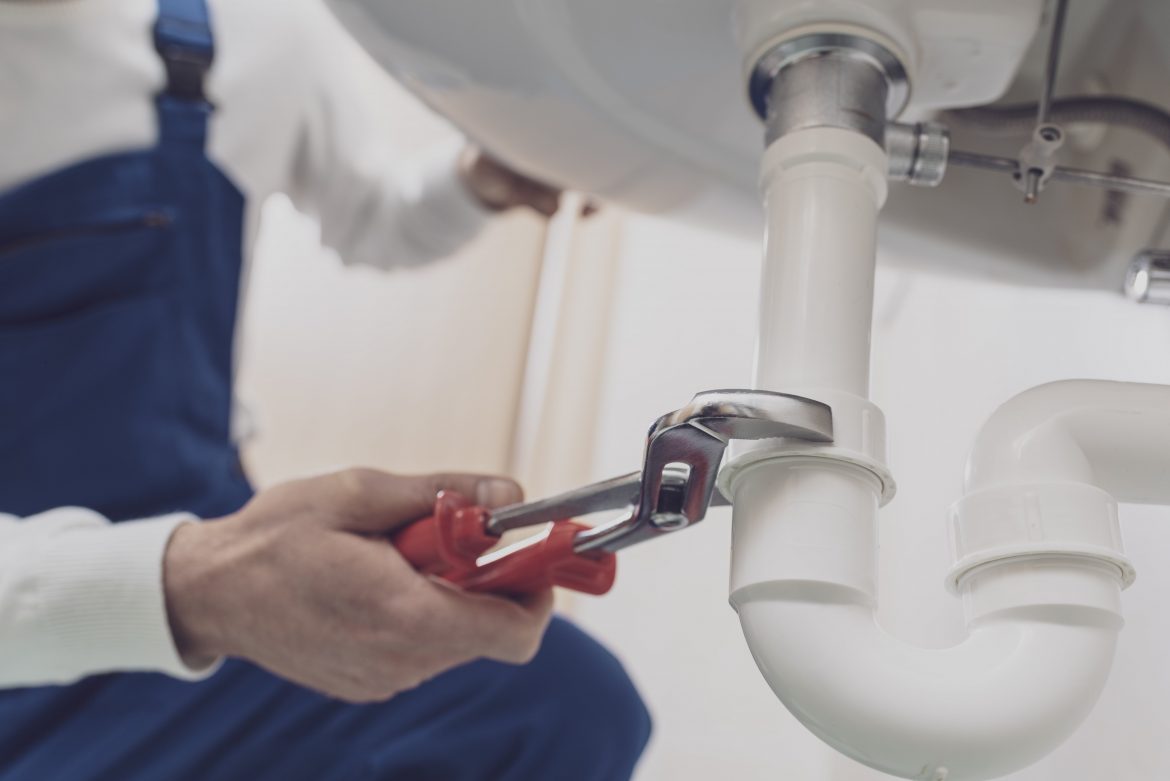
Plumbing issues are among the most common household problems, and even minor leaks can quickly turn into costly repairs if ignored. While major plumbing work should always be handled by licensed professionals, many small repairs can be managed safely with the right knowledge and tools. Understanding basic plumbing repair not only saves money but also helps homeowners respond quickly before problems escalate.
From dripping faucets and clogged drains to running toilets and low water pressure, these issues often have straightforward solutions. The key lies in identifying the source of the problem and using proper techniques to address it effectively. With a few essential tools and a step-by-step approach, homeowners can handle routine maintenance confidently. This guide explores practical plumbing repairs that are manageable for beginners while promoting long-term care for household water systems.
Fixing a Dripping Faucet
A dripping faucet may seem like a minor inconvenience, but it can waste significant amounts of water over time. Most leaks result from worn-out washers, O-rings, or cartridges inside the faucet mechanism. Replacing these small components often resolves the issue quickly.
Before beginning any repair, turning off the water supply is essential. Once the faucet handle is removed, the internal components can be inspected for visible wear or damage. Matching replacement parts to the original model ensures proper fit and functionality.
Within reliable home and garden maintenance solutions, addressing small leaks promptly prevents water waste and reduces utility bills. A properly functioning faucet also protects surrounding fixtures from corrosion or staining.
Taking the time to repair a dripping faucet builds confidence for handling other simple plumbing tasks. Routine checks and timely replacements contribute to long-term system efficiency.
Unclogging Drains Safely
Clogged drains are common in kitchens and bathrooms. Hair, grease, soap residue, and food particles often accumulate over time, restricting water flow. Before resorting to chemical drain cleaners, mechanical methods are safer and more effective.
Using a plunger creates suction that dislodges blockages. For deeper clogs, a drain snake or auger can remove trapped debris. Regular cleaning of drain stoppers helps prevent buildup before it becomes severe.
Chemical cleaners may corrode pipes if used excessively. Opting for natural solutions, such as baking soda and vinegar followed by hot water, can help maintain pipes without damage.
Preventative maintenance reduces the likelihood of recurring clogs. Installing drain screens and disposing of grease properly are simple habits that protect plumbing systems.
Repairing a Running Toilet
A continuously running toilet can significantly increase water bills. The issue often stems from a faulty flapper, fill valve, or chain inside the tank. Fortunately, these components are inexpensive and easy to replace.
After shutting off the water supply, removing the tank lid allows inspection of internal mechanisms. If the flapper fails to seal properly, water continuously flows into the bowl. Replacing it typically resolves the issue.
Adjusting the chain length or float height may also correct improper water levels. These small adjustments restore efficient flushing and reduce waste.
Regular inspection of toilet components ensures smooth operation. Identifying minor issues early prevents larger mechanical failures and unnecessary expenses.
Addressing Low Water Pressure
Low water pressure can result from mineral buildup, leaks, or partially closed valves. Cleaning faucet aerators often restores normal flow. Unscrewing the aerator and removing debris improves water output immediately.
If the issue affects multiple fixtures, checking the main shutoff valve ensures it is fully open. Persistent pressure problems may indicate deeper system concerns requiring professional assessment.
Within practical DIY home repair and improvement tips, simple inspections often reveal quick solutions. Regularly flushing sediment from water heaters can also improve pressure and efficiency.
Maintaining balanced water pressure supports appliance performance and daily comfort. Monitoring changes in flow allows homeowners to respond proactively.
Replacing a Showerhead
Replacing an outdated or clogged showerhead is a straightforward upgrade. Mineral deposits can restrict water flow and reduce efficiency. Unscrewing the old fixture and installing a new one typically requires only basic tools.
Applying plumber’s tape to threaded connections ensures a tight seal and prevents leaks. Selecting water-efficient models also supports sustainability while maintaining performance.
Routine cleaning with vinegar removes scale buildup, extending the lifespan of fixtures. A properly functioning showerhead enhances both comfort and water conservation.
Small upgrades contribute to overall system reliability. Even minor replacements can improve daily routines while protecting plumbing infrastructure.
Knowing When to Call a Professional
While many plumbing repairs are manageable, certain issues require professional expertise. Burst pipes, major leaks, sewer line backups, and water heater malfunctions demand specialized tools and experience.
Recognizing warning signs—such as persistent leaks, unusual noises, or water discoloration—helps determine when professional intervention is necessary. Attempting complex repairs without proper knowledge may cause additional damage.
Balancing DIY efforts with professional assistance ensures safe and effective home maintenance. Homeowners who understand their limits protect both their property and plumbing systems.
Being proactive about routine inspections reduces emergency situations. Preparedness and awareness form the foundation of responsible homeownership.
Conclusion
Basic plumbing repairs are valuable skills that empower homeowners to maintain their properties efficiently and cost-effectively. From fixing dripping faucets and unclogging drains to repairing running toilets and replacing fixtures, many common issues can be addressed with simple tools and careful attention. Prompt action prevents minor inconveniences from escalating into costly repairs, preserving both water resources and household budgets. However, understanding limitations is equally important; recognizing when professional assistance is necessary protects the integrity of plumbing systems. By combining preventative maintenance with practical knowledge, homeowners create a reliable and sustainable living environment. Developing confidence in handling small plumbing tasks contributes not only to financial savings but also to long-term home care and responsibility.